
How to Heat your Tropical Terrarium
The common ways to heat a terrarium compared, with their pros, cons, power use and cost.
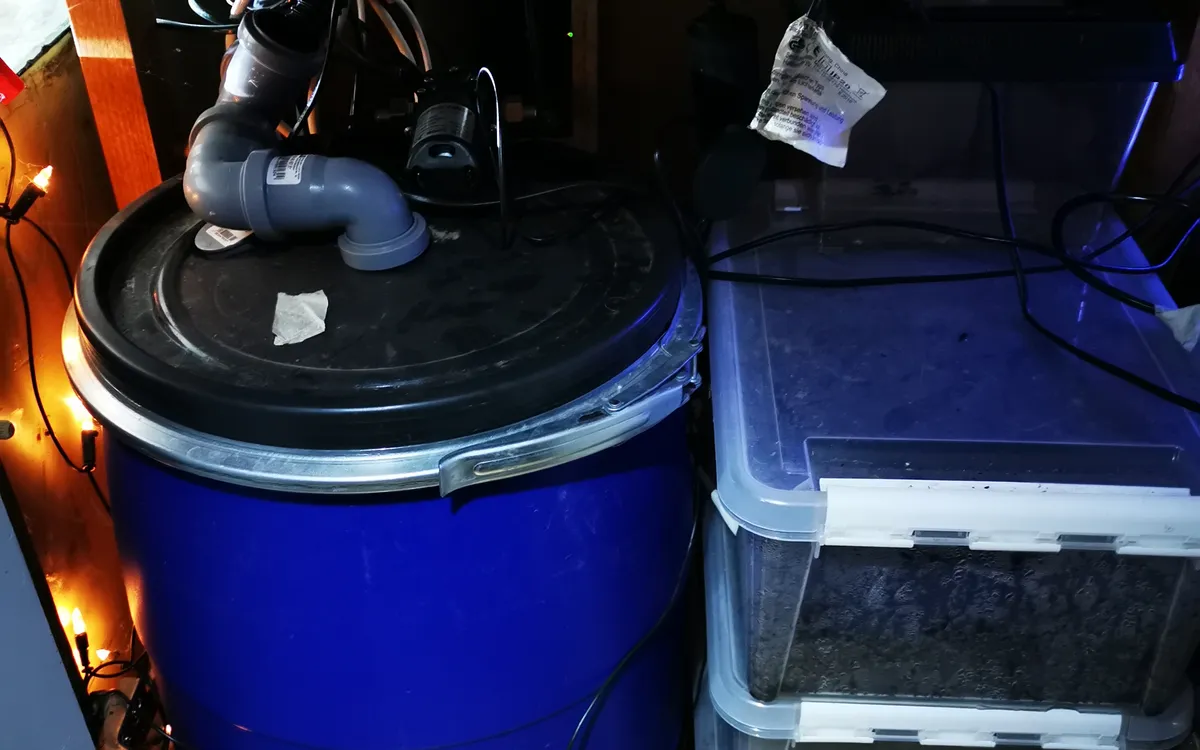
Many species need a stable temperature within a fairly narrow range, so how you heat the terrarium matters. Every method has its strengths and weaknesses and uses a different amount of power. Below are all the methods we know of, with what each is good for.
Before you choose, think about:
- Power use: This matters most if you have several enclosures. Some methods are fine for a single tank, but across many tanks the power use gets too high.
- The species: The right method depends on where the animal lives in nature. Basking reptiles do well under heat lamps, while burrowing species may prefer heat from below.
- Safety: Always run heaters on a thermostat and check the temperature regularly to prevent overheating and burns. Ideally, use more than one sensor, so a single faulty device can’t kill your animals and plants.
Aquarium Thermostats
This is our go-to method for tropical terrariums, but it only works well in terrariums with a water feature. The bigger the water area, the better it works.
Principle: An aquarium heater with a thermostat sits in the water and keeps it at the set temperature. Heat rises from the water and keeps the terrarium stable. Moving water works even better, and tanks with a waterfall are very easy to heat this way. We like to put the heater in a sump and pump the water to several terrariums, so one heater warms all of them.
Advantages: Efficient in tanks with a large water area, ideally with moving water. Keeps a stable base temperature. One heater can warm several tanks.
Disadvantages: Very inefficient in tanks without water. Needs a pump to move the water, which adds a little to the power use. Sharing one sump between several terrariums raises the risk of cross-contamination.
Cost: A 50W heater costs around €20.
Heat Mats
Heat mats are among the most popular ways to heat a terrarium. These thin mats sit under the enclosure or on one side. We mostly use them for our grow-out tanks.
Principle: The mat goes under the terrarium or on a side, close to the area you want to warm.
Advantages: Cheap, easy to install and low on power (4–24 watts). Good for species that need warmth at ground level, such as ground-dwelling reptiles and amphibians.
Disadvantages: Heat mats barely raise the air temperature, so in most setups they can’t be the only heat source. Badly placed, they heat unevenly, and without a thermostat they can overheat. In terrariums with a background, much of the heat is lost in the background’s insulation.
Cost: Usually €10–€30.
Heat Cables
Heat cables are flexible and can be wrapped around an enclosure or laid beneath it. In Euro-style terrariums you can wind them around a wooden or metal bar that fits in the front vent. That gives you a concentrated heat source at the front that keeps the front glass free of condensation. Rocks placed near the cable help spread the heat through the terrarium.
Advantages: You can lay them out however you need, and they are cheap to run. Very good at keeping the front glass clear.
Disadvantages: They need careful placement to avoid uneven heating, and fixing them securely can be awkward. They don’t raise the air temperature much.
Cost: €15–€50, depending on length and wattage.
Ceramic Heat Emitters
Ceramic heat emitters (CHEs) look like bulbs and give off infrared heat without any light, which makes them good at keeping the air warm. We tried them in our frog terrariums and found they heat small tanks too fast, so use them mainly in larger enclosures (unless your animal needs higher temperatures).
Advantages: Durable and versatile, and good for species that need steady warmth without extra light. They work well with thermostats, so control is precise.
Disadvantages: They use more power (50–150 watts) and can dry out the terrarium if overused. Both buying and running them costs more than heat mats.
Cost: €20–€50.
Heat Lamps
Heat lamps give both heat and light and are especially good for basking species. With the right wattage they can also heat frog enclosures.
Advantages: They warm a specific spot quickly and come in many wattages and styles, including versions with UV. Useful for reptiles that need heat to digest and UV light to make vitamin D.
Disadvantages: They don’t last as long as other heaters and can overheat the tank if you don’t watch them. Their power use (25–150 watts) is higher than some alternatives.
Cost: Bulbs around €10–€40, plus €15–€30 for the fixture.
Radiant Heat Panels
Radiant heat panels are mounted on the terrarium ceiling and warm the enclosure evenly with infrared heat. We only recommend them for basking species.
Advantages: Even, steady heat that doesn’t dry out the terrarium. Fairly efficient (40–100 watts) and well suited to larger enclosures.
Disadvantages: Expensive to buy, and they need precise thermostat control to be safe. Hard to fit in small setups.
Cost: €50–€150, depending on size and brand.
Hot Rocks
Hot rocks are artificial rocks that give off local heat. We don’t use them: they usually spoil the look of the terrarium, and they need wiring inside it.
Advantages: We can’t think of any.
Disadvantages: Hot rocks are unreliable and unsafe, as they can cause severe burns when animals sit on them for a long time. They are not suitable for amphibians or delicate reptiles.
Cost: Fairly cheap at €20–€30, but the drawbacks outweigh any use.
Room Heating
Instead of heating each terrarium, some keepers heat the whole room. This only makes sense if you have a lot of terrariums and the room is small relative to how many tanks it holds.
Advantages: All enclosures get the same temperature, and there are no heat sources inside the terrariums, which lowers the risk.
Disadvantages: It uses a lot of power (~750–1500 watts for space heaters) and you can’t fine-tune individual tanks.
Cost: Space heaters cost €20–€150, and running them for long periods is expensive.