
How to Keep Mites from Your Feeder Insect Cultures
How to keep mites out of your feeder insect cultures with cleanliness, dry conditions, the right substrate and regular renewal.
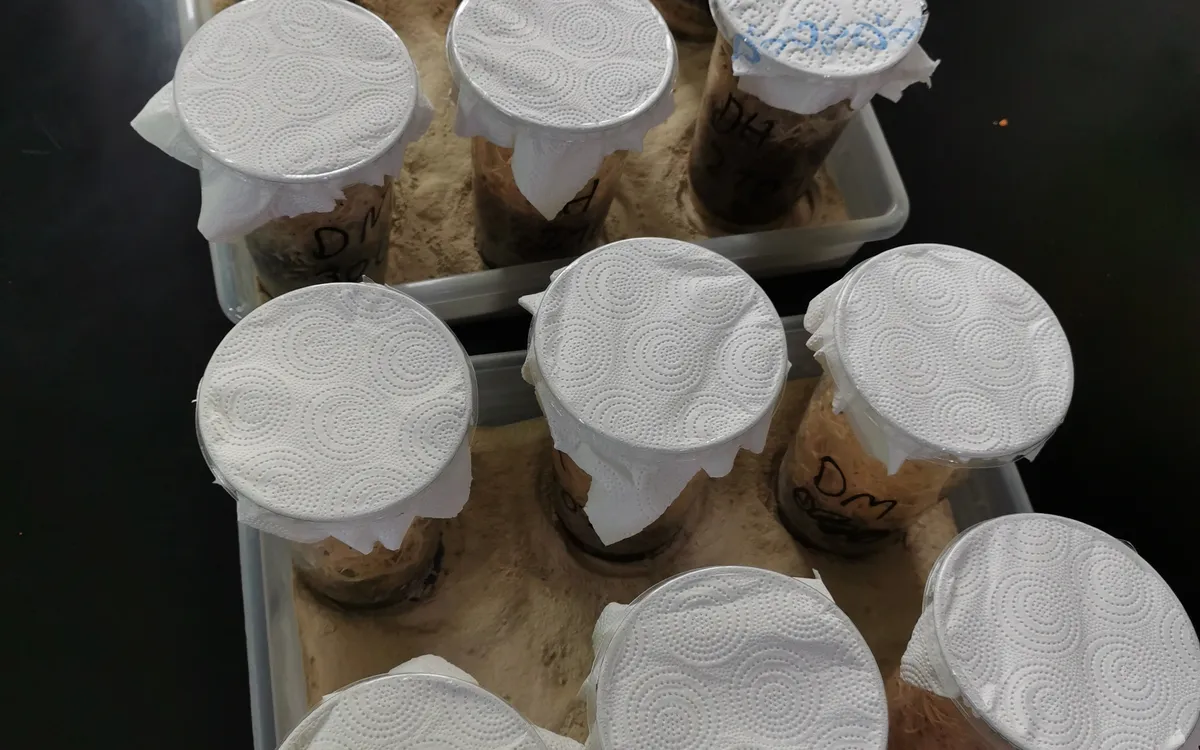
Mites are a common problem in feeder insect cultures and get out of hand quickly. They compete with your insects for food, stress them and can make a whole colony crash. These are the measures that keep them in check.
1. Keep Things Clean
Cleanliness is the best defense against mites.
- Clean regularly: Remove leftover food, frass and dead insects often.
- Wash your equipment: When you rotate cultures, wash containers, lids and tools with hot water and a mild disinfectant.
- Quarantine new cultures: Keep new feeder insects separate for at least a week and check them for mites before they go near your other cultures.
2. Control Humidity and Ventilation
Mites love warm, humid conditions, which is exactly what many feeder cultures offer. To keep them down:
- Keep it dry: Keep cultures as dry as possible, especially mealworms and roaches.
- Ventilate: Use mesh lids or air holes so moisture can’t build up.
- Add something absorbent: A layer of dry substrate or paper towels soaks up excess moisture.
3. Avoid Cross-Contamination
Mites spread easily between cultures and to other parts of the house.
- Separate tools: Use a separate set of utensils for each culture.
- Isolate affected cultures: If you find mites, move that culture away from the others straight away.
- Never start new cultures from infested ones: Always use clean, mite-free stock, or the mites come along.
4. Choose a Mite-Resistant Substrate
Some substrates attract mites less than others:
- Dry coconut fiber: Less attractive to mites than bran or oatmeal.
- Vermiculite or sand: They give mites nothing to eat and help keep humidity low.
- Paper towels: Easy to swap out and throw away if mites show up.
5. Use Predatory Mites
Some predatory mites (like Hypoaspis miles) eat the harmful mites without affecting the feeder insects. This biological control is especially useful in larger cultures.
6. Use Diatomaceous Earth
Diatomaceous earth works well against mites:
- Dust the insects: Before setting up a new culture, lightly dust the insects with food-grade diatomaceous earth.
- Stand cultures on it: A thin layer of diatomaceous earth under the containers forms a barrier mites don’t cross.
- Mix it into the substrate: A small amount in the culture substrate helps keep mite numbers down.
7. Freeze or Bake Food and Bedding
Mite eggs often come in with food and substrate.
- Freeze grain-based food: Keep dry food like bran or oats in the freezer for at least 48 hours before use.
- Bake substrates: Heat wood shavings or soil to 100°C (212°F) for 30 minutes to kill mites and eggs.
8. Renew Cultures Regularly
Mites build up over time, so don’t keep a culture going forever.
- Replace old cultures: Start fresh cultures from clean, mite-free stock now and then.
- Rotate containers: Use several containers and swap them out after a thorough clean.
- Throw out fruit fly cultures: Dispose of fruit fly cultures after 30 days at the latest, ideally sooner.