
Sourcing Materials for your Hardscape and Background
How we choose, test and prepare artificial and natural materials so they are safe to use in a terrarium.
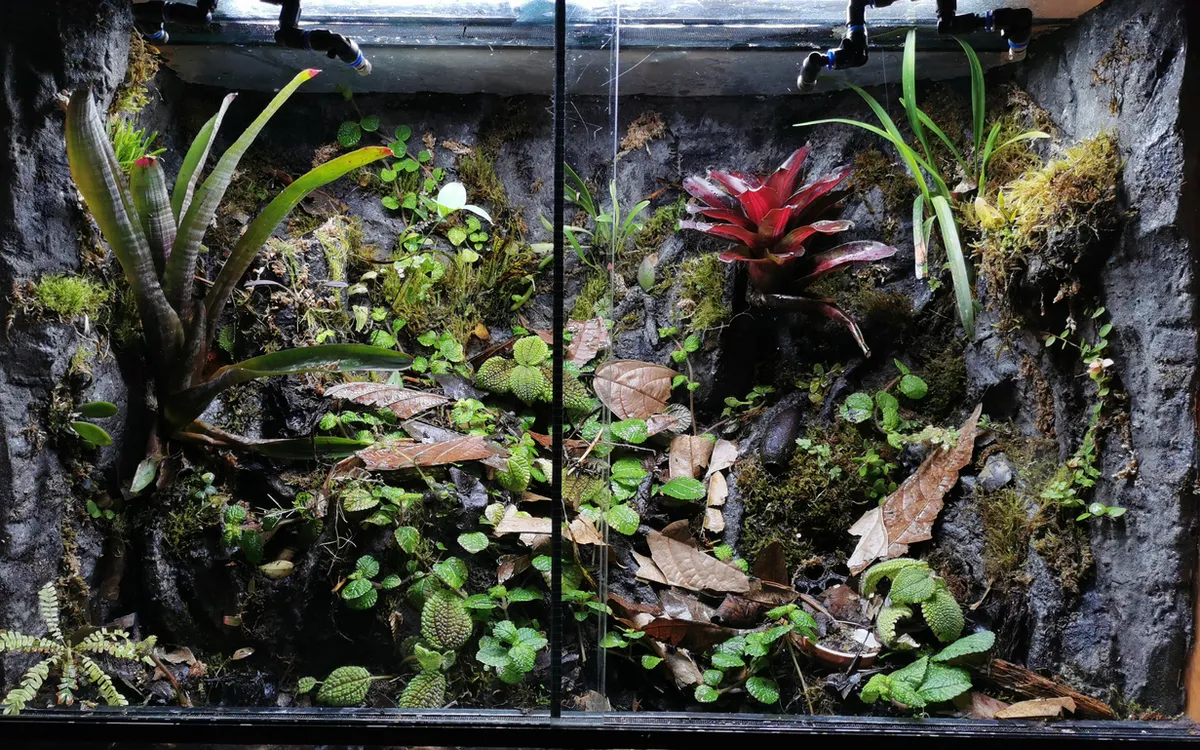
Finding the right materials for building a terrarium is harder than it should be. The products made for terrariums are often outdated or don’t meet the demands of modern building techniques, so many keepers end up sourcing their own. Most of those materials say nothing about whether they are safe for animals. Below is how we choose artificial and natural materials. There is no 100% safe method; this is simply what we do, and it has always worked for us so far.
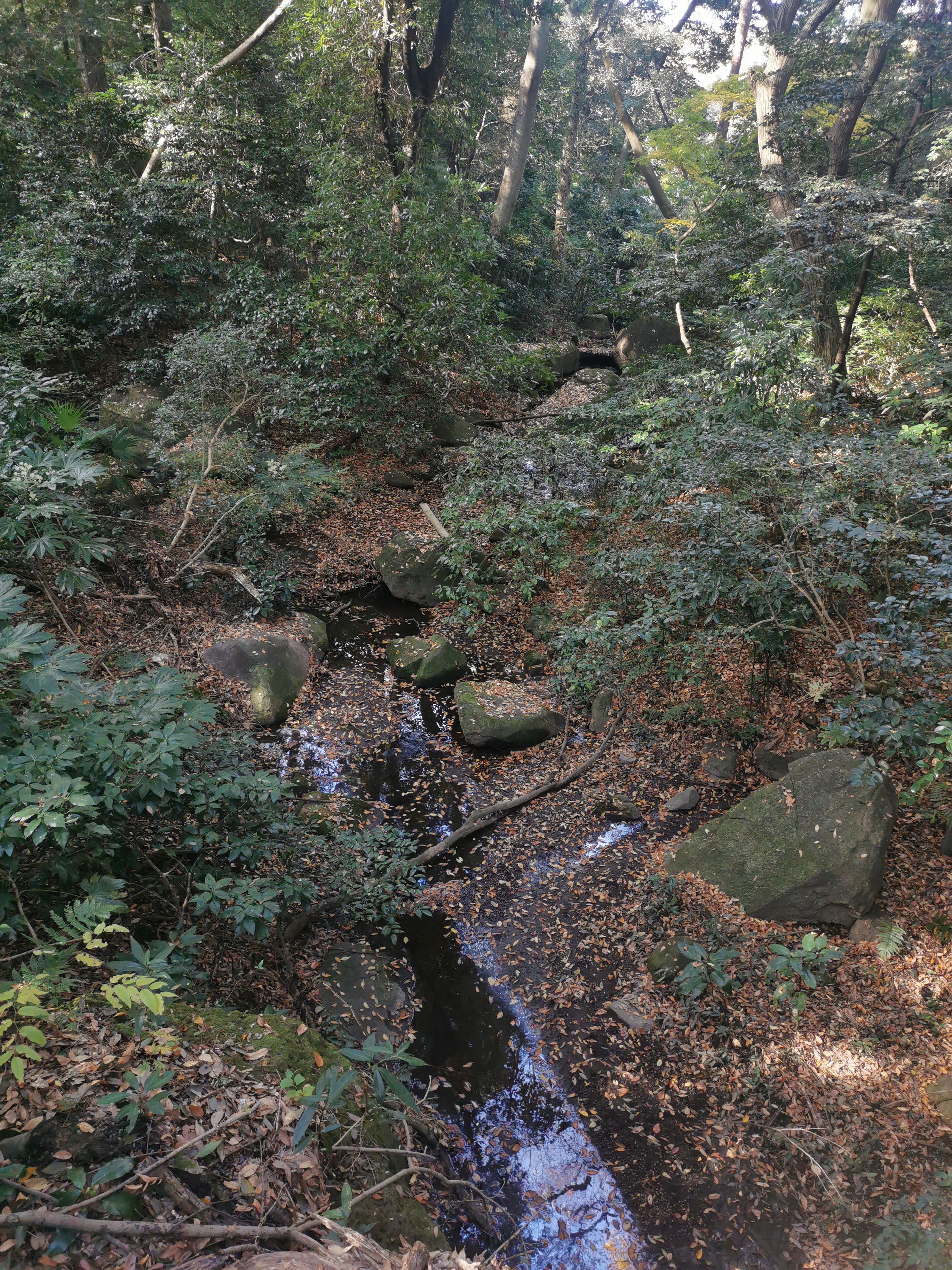
Artificial Materials
You will often need artificial materials to build structures in a terrarium. Since nothing on the label tells you whether they are safe for terrarium animals, you have to do your own research and testing.
Check for Harmful Chemicals
Avoid anything that contains pesticides, fungicides or other harmful chemicals. They can leach out over time and harm your animals and plants.
Waterproof Properties
Choose materials that are clearly labelled as waterproof. If the label doesn’t say, apply some to a small container, let it dry and check whether it holds up to water.
Smell Test
Once you know the material is waterproof, check whether it still smells. Rinse it several times over a few days. If the smell doesn’t go away, don’t use it: a lingering odour can mean it is releasing harmful chemicals.
Sealing Non-Waterproof Materials
A material that isn’t waterproof can be sealed with epoxy or acrylic paint. It’s not ideal, but it makes some materials usable that otherwise wouldn’t be.
Testing for Toxicity
- Start with a small colony of springtails and isopods on the material.
- If they do well, add snails.
- Finally, test with tadpoles before you use the material in a complete terrarium.
If you’ve done the earlier tests properly, this step-by-step approach keeps the risk to your animals very low.
Check for Ingredient Changes
Even with a material you have used before, check that the formula hasn’t changed. Manufacturers sometimes change ingredients without telling anyone, and that can bring new risks.
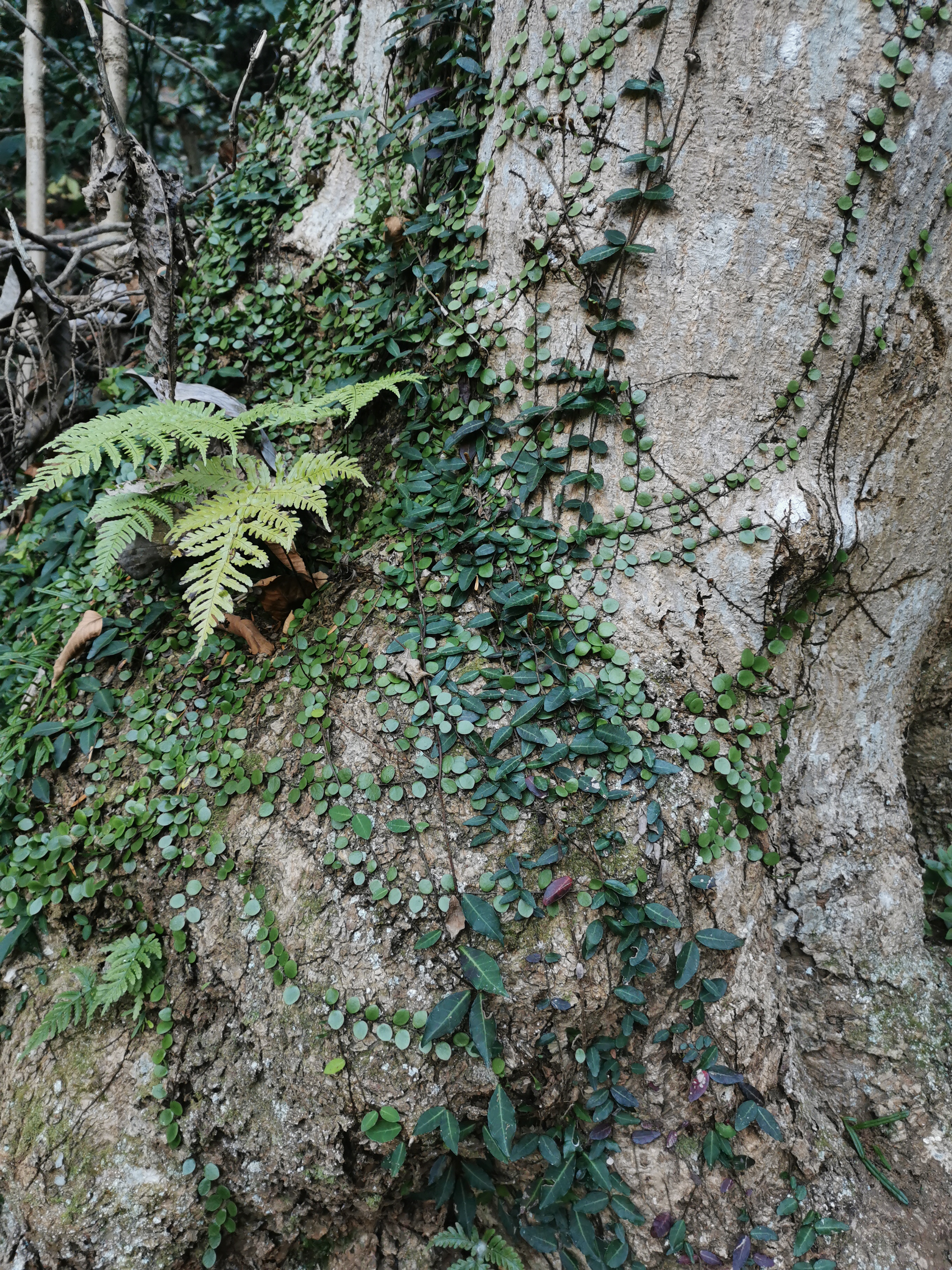
Natural Materials
Natural materials look the most authentic, but they need to be chosen and prepared carefully so they are safe and last. Ideally you can buy everything you need at a fair price from your local aquarium or reptile shop. If you collect materials in nature instead, these tips help you avoid problems and treat the environment with respect.
Source Responsibly
Everything you take from nature had a place in the ecosystem. Moss that looks plentiful may have taken decades to grow. Take only small amounts, ideally just enough to start growing your own at home. Also:
- Collect wood, moss and leaves only where no pesticides or pollutants are used.
- Avoid roadsides and farmland, which are likely to be contaminated.
- Check local rules; in some areas it is not allowed to take natural materials.
Sterilization
Sterilizing natural materials keeps pests and pathogens out of your terrarium. For the common materials:
- Wood and rocks: bake them in the oven at a low temperature (around 100°C / 212°F) for an hour to kill unwanted organisms.
- Leaves: boil them briefly to remove parasites and residues.
Getting pests off plants takes more work, but it can be done:
- Rinse thoroughly: first rinse the plants to wash off dirt and pests on the surface.
- Submerge in water: leave the plants completely under water for 1–2 days. Get rid of air pockets so the pests either drown or float up, where you can remove them easily.
- Use CO₂: alternatively, put the plants in an airtight container filled with CO₂ (the kind used for aquariums). Do this outdoors or in a well-ventilated room.
- Quarantine: keep the plants separate for as long as you can before they go into the terrarium.
Durability
Not every natural material lasts in a terrarium. Check how it holds up in humid conditions and make sure it can take the weight and moisture without breaking down.
Avoid Rot-Prone Materials
Some woods, such as pine and cedar, contain harmful resins or rot quickly in humid conditions. Use hardwoods like oak, maple or manzanita instead. Best of all is wood that has already been lying in water or soaking near a stream, because it is already used to wet conditions.

Test Compatibility
Before natural materials go into your terrarium, test them with small animals you can more easily risk, such as isopods or snails. That way you know the material is safe before your main animals come into contact with it.